Best Non Toxic Cooking Utensils - When it concerns food preparation, all of us intend to prioritize our wellness and health. However did you recognize that the cookware and utensils we make use of can likewise affect our health and wellness? Many traditional kitchen area tools consist of dangerous chemicals that can leach into our food and create a variety of health problems. This is where non-toxic cooking utensils come in. In this post, we will explore the significance of utilizing safe pots and pans and tools in your cooking area. We will certainly explore the risks related to hazardous cooking equipment and recognize non-toxic materials for kitchenware and tools. In addition, we will discover some terrific non-toxic cooking equipment alternatives available on the market today, along with much safer alternatives for food storage space. So if you're looking to make your kitchen area a more secure location, read on to uncover whatever you need to understand about non-toxic food preparation utensils.
10 Undeniable Reasons People Hate non toxic cooking utensils
Comprehending the Importance of Safe Cooking Utensils
Using kitchen area tools made from non-toxic products is crucial for advertising a healthier kitchen area setting. By choosing non-toxic food preparation utensils, you can prevent dangerous chemicals from seeping into your food during the cooking process. This is especially important for people with chemical level of sensitivities. Safe utensils also ensure that your food stays uncontaminated and risk-free to eat. In addition, choosing safe tools minimizes the threat of long-lasting wellness results. Make the switch to wood, silicone, or stainless-steel cooking tools for plenty of benefits in your kitchen.
Why Safe Cooking Equipment Matter?
Safe cookware is crucial for preserving a safe and healthy cooking area. It prevents damaging chemicals from contaminating food and reduces the danger of poisonous substances leaching right into your meals. By utilizing non-toxic products, you can make sure that your food continues to be devoid of any kind of possibly damaging compounds present in cookware made from toxic products.
The Risks Connected With Toxic Pots And Pans
Food preparation with harmful pots and pans postures significant wellness dangers. When exposed to heats, harmful cookware can release hazardous chemicals that might pollute food. Products like Teflon https://www.cookwarereviewhub.com/best-non-toxic-cooking-utensils-a-healthy-kitchen-essential/ can release harmful fumes when overheated, even more raising the dangers. Long term exposure to these poisonous products can have damaging results on lasting health and wellness. By using safe choices such as wood tools, stainless-steel cookware, or silicone spatulas, you can lower the risk of chemical contamination in your food. Make sure to focus on safety in your kitchen area to secure on your own and your liked ones.
Determining Non-Toxic Materials for Cooking Equipment and Utensils
Stainless steel kitchenware and utensils, with their durable and non-toxic residential properties, are a safe option for healthy cooking. Glass pots and pans provides a safe product option that doesn't leach damaging chemicals into food. Cast iron pots and pans, when properly experienced, offers a durable and safe cooking surface. Safe ceramic cookware, as a safer choice to conventional non-stick coverings, guarantees a much healthier cooking experience. Copper kitchenware, when lined with stainless-steel, can additionally be a secure selection for your kitchen. With these numerous alternatives available, it's much easier than ever before to identify non-toxic materials for your cookware and tools.
How to Solve Issues With best non toxic cooking utensils
Stainless Steel-- A Safe Choice
When it involves non-toxic cooking tools, stainless-steel is a risk-free and prominent option. These utensils are made from products that do not launch hazardous chemicals into your food, making sure a healthier food preparation experience. Stainless-steel is additionally known for its toughness, as it can hold up against heats and last for many years. Furthermore, these tools are simple to clean and preserve, making them sensible for busy cooking areas. With their convenience and eco-friendly nature, stainless steel cooking tools are an outstanding selection for any kind of kitchen area.
The Benefits of Glass Cooking Equipment
Glass cooking equipment offers various benefits that make it an essential in any type of kitchen. To start with, glass is non-reactive, ensuring that your food remains free from dangerous chemicals. Secondly, glass cookware gives also warm distribution, allowing for perfectly prepared dishes whenever. In addition, glass pots and pans is functional and can be utilized for baking, cooking, and food storage space. It is additionally dish washer risk-free and visually enticing. With its numerous benefits, glass kitchenware is an exceptional selection for any type of cooking enthusiast.
Making Use Of Cast Iron - Benefits And Drawbacks
Making use of cast iron cookware in the cooking area has its pros and cons. Among the main benefits is its excellent heat retention, which guarantees also cooking. Furthermore, cooking with actors iron can include a small amount of iron to your food, providing prospective health benefits. However, it is essential to note that cast iron pots and pans requires appropriate flavoring and upkeep to avoid corrosion. One more factor to consider is the weight of actors iron, which may be a disadvantage for some people. In spite of these variables, utilizing actors iron cookware can lead to tasty and top notch food preparation outcomes.
Discovering Safe Cooking Equipment Options
Ceramic kitchenware offers a much safer non-stick choice to standard finishes, advertising a healthier kitchen area. Glass and stainless-steel are additional non-toxic cookware products that guarantee satisfaction when food preparation for enjoyed ones. Exploring these non-toxic options enables safe and enjoyable food preparation experiences, while also making sure that food is without hazardous chemicals. Purchasing non-toxic kitchenware provides many advantages, making it an important selection for a safer and healthier kitchen area.
Ceramic-- A More Secure Non-Stick Choice
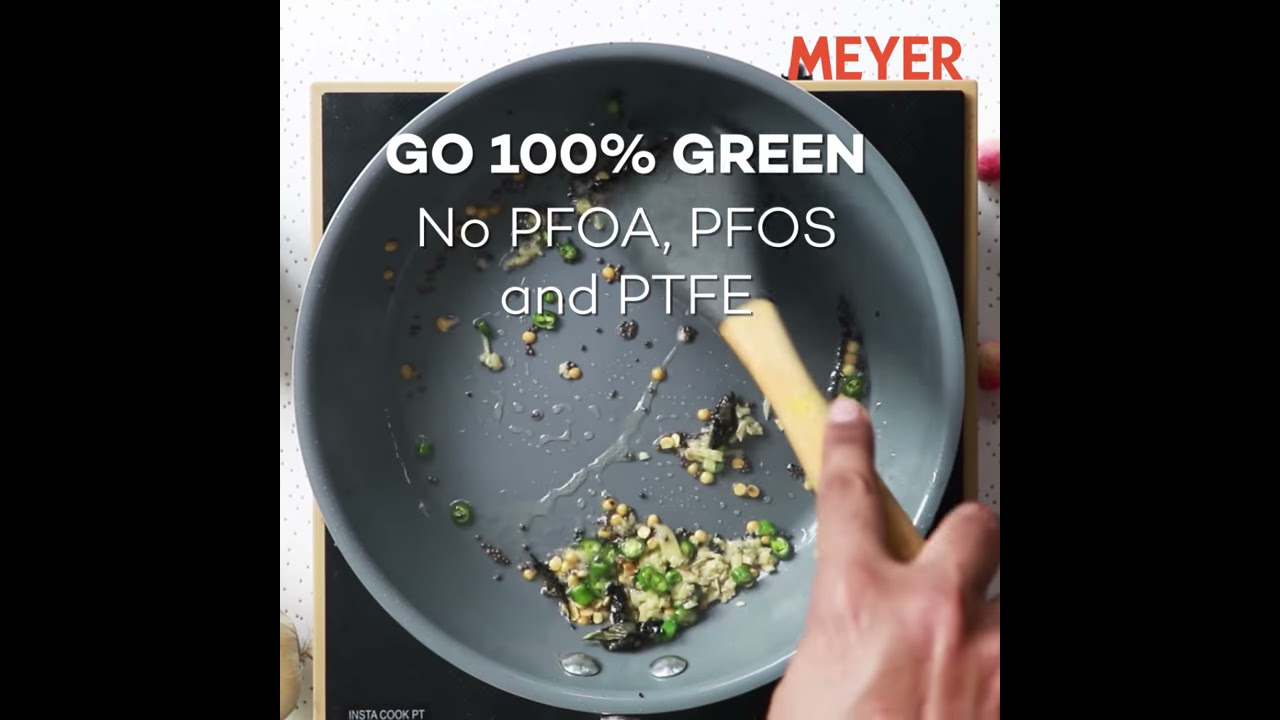
Typical non-stick cookware can release hazardous chemicals when heated. Ceramic cooking equipment provides a more secure non-stick alternative that doesn't launch harmful chemicals. It is sturdy and easy to clean, making it a terrific investment for any type of kitchen. In addition, ceramic food preparation utensils are offered, using a non-toxic choice for mixing and offering food. Investing in safe cooking tools and cooking equipment is essential for producing a safer and much healthier kitchen area environment.
Why Pick Copper Cooking Equipment?
Copper kitchenware offers exceptional warmth conductivity when lined with stainless steel. It permits exact temperature control during cooking, including an elegant touch to your cooking area. With proper upkeep, safe copper cooking equipment can last for generations, creating unforgettable food preparation experiences for special celebrations.
Silicone Tools - Are They Safe?
Silicone tools are a secure option for your kitchen area. Made from food-grade silicone, they are heat-resistant and safe. These utensils do not seep damaging chemicals into your food. They are likewise durable, dishwasher-safe, and easy to tidy. Endure heats without melting or warping, and their non-stick buildings make cooking and cleansing a wind.
Materials to Stay Clear Of in Food Preparation Tableware
When selecting cooking area utensils, it is necessary to know which products to stay clear of. Plastic tools need to be stayed clear of as they can release toxic chemicals when heated up. Similarly, nylon utensils can thaw and launch dangerous compounds. Nonstick cooking equipment, such as Teflon, need to additionally be stayed clear of because of the toxic chemicals used in their finishing. Wood utensils with takes care of can harbor bacteria and are difficult to clean. Instead, pick stainless-steel tools that are resilient, non-reactive, and very easy to tidy.
The Dangers of Plastic Utensils
Plastic utensils position numerous dangers, consisting of the launch of harmful chemicals like BPA right into food, particularly when subjected to high heat. Thawing plastic can contaminate food with harmful materials. In addition, plastic tools are easily scratched, providing a breeding ground for bacteria. They are not dishwasher-safe, making it challenging to efficiently remove food particles. Moreover, their non-biodegradable nature contributes to environmental contamination. It is important to think about much safer options such as wood, silicone, or stainless steel tools.
Why Nylon Hardware are a No-No
Nylon tools need to be prevented for a number of reasons. To start with, they have a reduced heat resistance and can melt when exposed to heats, launching harmful chemicals into your food. Furthermore, nylon utensils are not as sturdy as other products such as wood or stainless steel utensils, leading to a much shorter life-span. They can additionally scratch nonstick kitchenware, jeopardizing their nonstick finish. Last but not least, nylon tools have a tendency to absorb discolorations, odors, and flavors, which can influence the preference of your meals.

The Issue with Nonstick/Teflon Cooking Equipment
Nonstick cooking equipment, such as Teflon, can launch hazardous chemicals like PFOA when heated. These chemicals have actually been connected with health concerns consisting of infertility and cancer cells. Additionally, the nonstick coating can easily damage, revealing food to these poisonous products. Unique care is called for when utilizing Teflon pots and pans, as high heat, steel tools, and abrasive cleaners can harm the layer. It is advised to choose more secure options such as stainless-steel or cast iron cookware.
Much Safer Alternatives for Food Storage
Relocate far from plastic containers, which can leach unsafe chemicals into food. Rather, choose non-toxic, long lasting, and dishwasher-safe glass containers. Glass containers are a lot more environment-friendly, as they are recyclable and reduce plastic waste. They do not soak up discolorations, smells, or flavors, keeping food fresh and uncontaminated. Furthermore, glass containers are functional and can be made use of in the oven, microwave, and fridge freezer.
Moving Far From Plastic Containers
Plastic containers, frequently used for food storage, position different risks. When revealed to heat or acidic foods, they can launch unsafe chemicals like BPA. Furthermore, they are susceptible to discoloration, warping, and absorbing food odors. Plastic containers are not as long lasting as options such as glass, stainless-steel, or silicone, resulting in constant substitutes. Furthermore, they contribute to plastic contamination as they are typically not recyclable or biodegradable. Changing to more secure materials makes sure a healthier and much more sustainable cooking area.
Glass - An Environment-friendly and Non-toxic Selection
Glass containers are a popular choice for eco-conscious people seeking non-toxic kitchen utensils. Made from all-natural products, glass containers are food-safe and durable. They are heat-resistant and do not absorb spots or odors, guaranteeing that your saved food continues to be fresh and unpolluted. Glass containers are likewise extra eco-friendly as they can be recycled, recycled, and do not add to plastic waste. With their clear presence, glass containers make it simple to determine your stored food. They are flexible and can be made use of for different kitchen storage space requires, from leftovers to dish prep.
Do BPA-Free Products Mean 100% Security?
Are BPA-free products entirely secure? While they are safer than those including BPA, it is necessary to bear in mind that BPA is just among numerous potentially hazardous chemicals in pots and pans and tools. Search for non-toxic alternatives or ones made from all-natural products like wood or bamboo. Always focus on security.
Verdict
To make certain a more secure and much healthier kitchen, it is critical to purchase safe cooking tools. Traditional pots and pans and utensils can seep dangerous chemicals into your food, posing long-term wellness risks. Non-toxic materials like stainless-steel, glass, and ceramic give a much safer alternative without compromising on efficiency. Prevent materials like plastic, nylon, and nonstick cookware, which can release toxic substances when heated up. Additionally, think about changing to eco-friendly and safe choices for food storage, such as glass containers. When picking safe cooking utensils, look for reliable brands that prioritize safety and top quality. Remember, even if an item is identified "BPA-free" does not assure 100% safety and security. Prioritize your health and wellness and well-being by making the button to safe cooking utensils today.